
From Rescue to Recovery
Every dog’s story is different, but the process behind their recovery is not accidental.
These stories reflect what consistent care, structure, and patience can do over time.
Cassini
Day 1
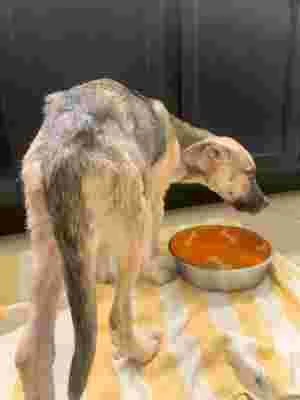
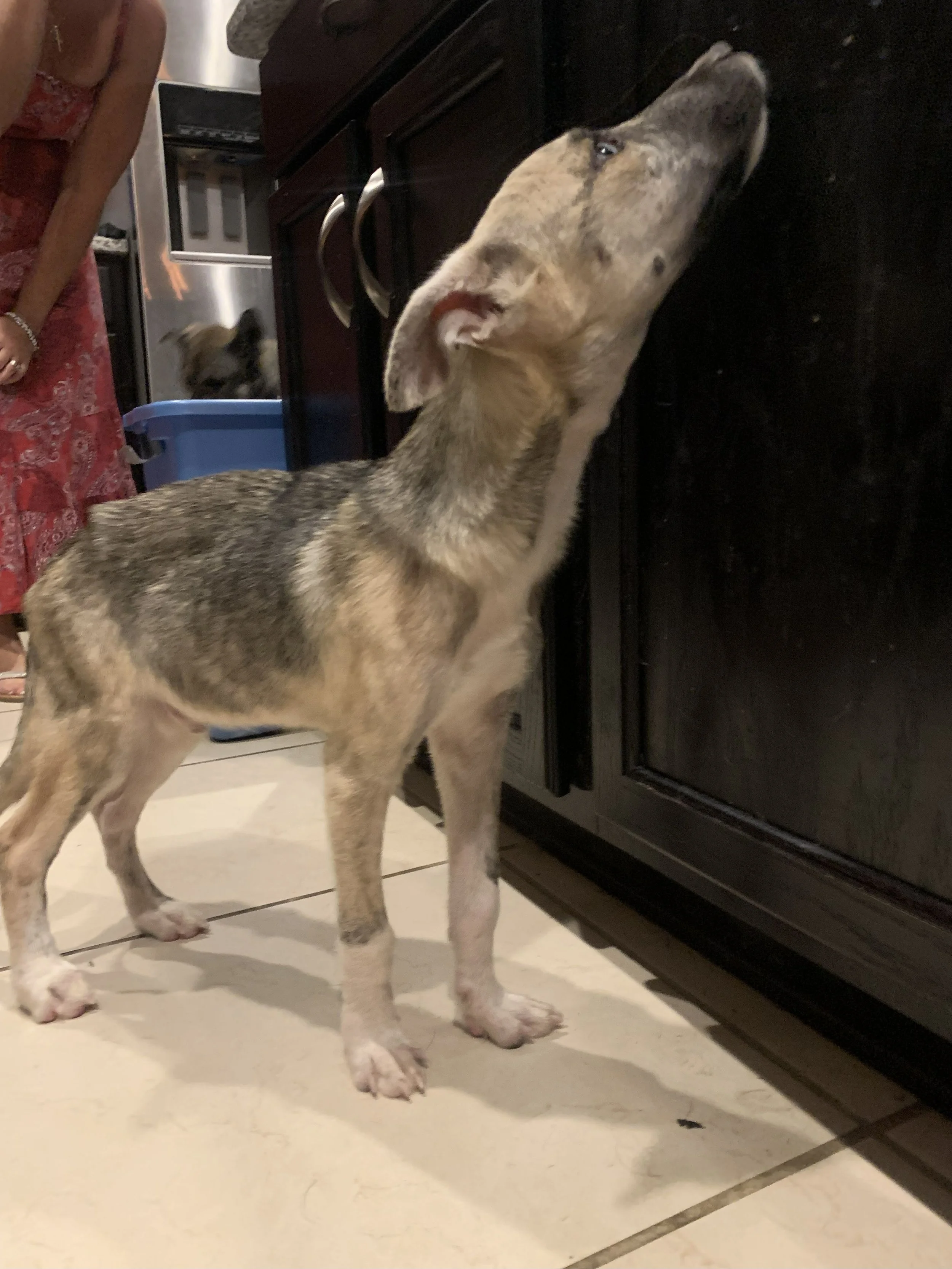
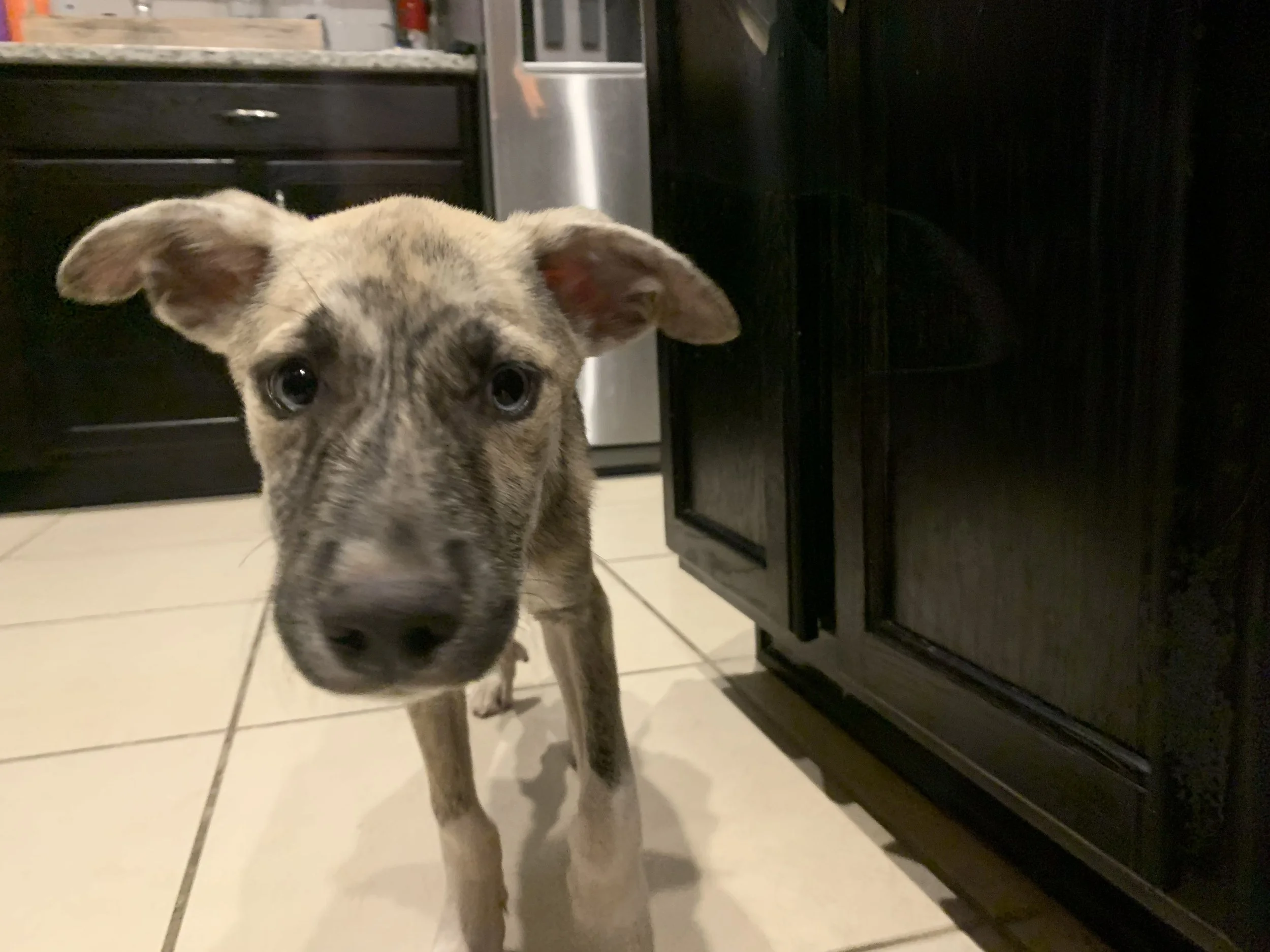
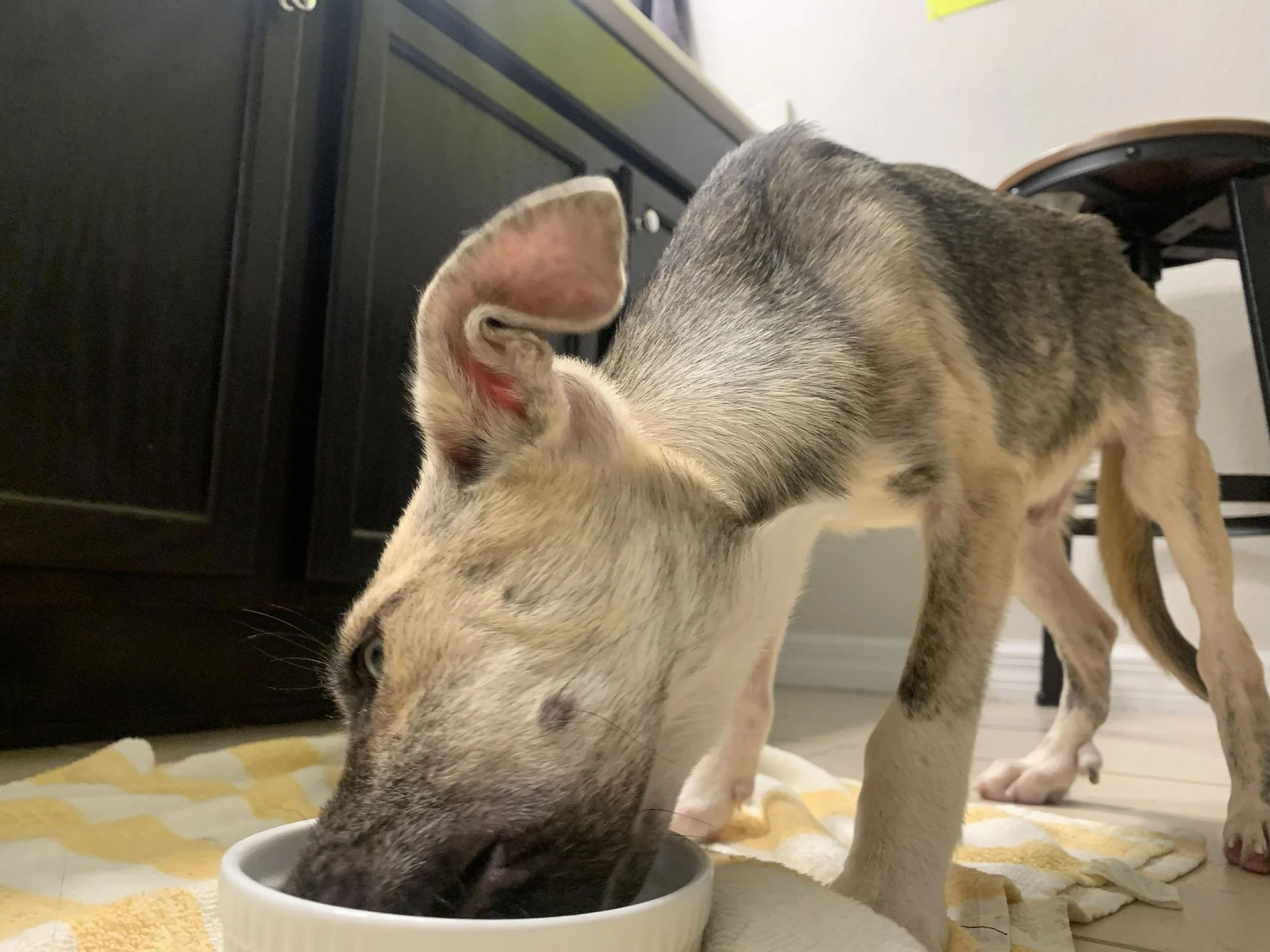
When Cassini first came into our care, he was undernourished, uncertain, and still adjusting to a world that hadn’t offered much stability.
Like many dogs in similar situations, his condition reflected more than physical neglect, it showed a lack of consistent care and structure.
He moved carefully through new spaces, taking in his surroundings without fully engaging. There was no clear sense yet of routine or expectation, only observation and hesitation.
At that stage, the focus wasn’t on progress. It was on creating consistency, allowing him the time and space to begin settling into something predictable.
The Work
Recovery isn’t immediate.
It’s built through:
Consistent feeding and nutrition
Safe, predictable routines
Space to decompress
Ongoing observation and adjustment
Progress happens gradually, often in ways that aren’t immediately visible.
Today
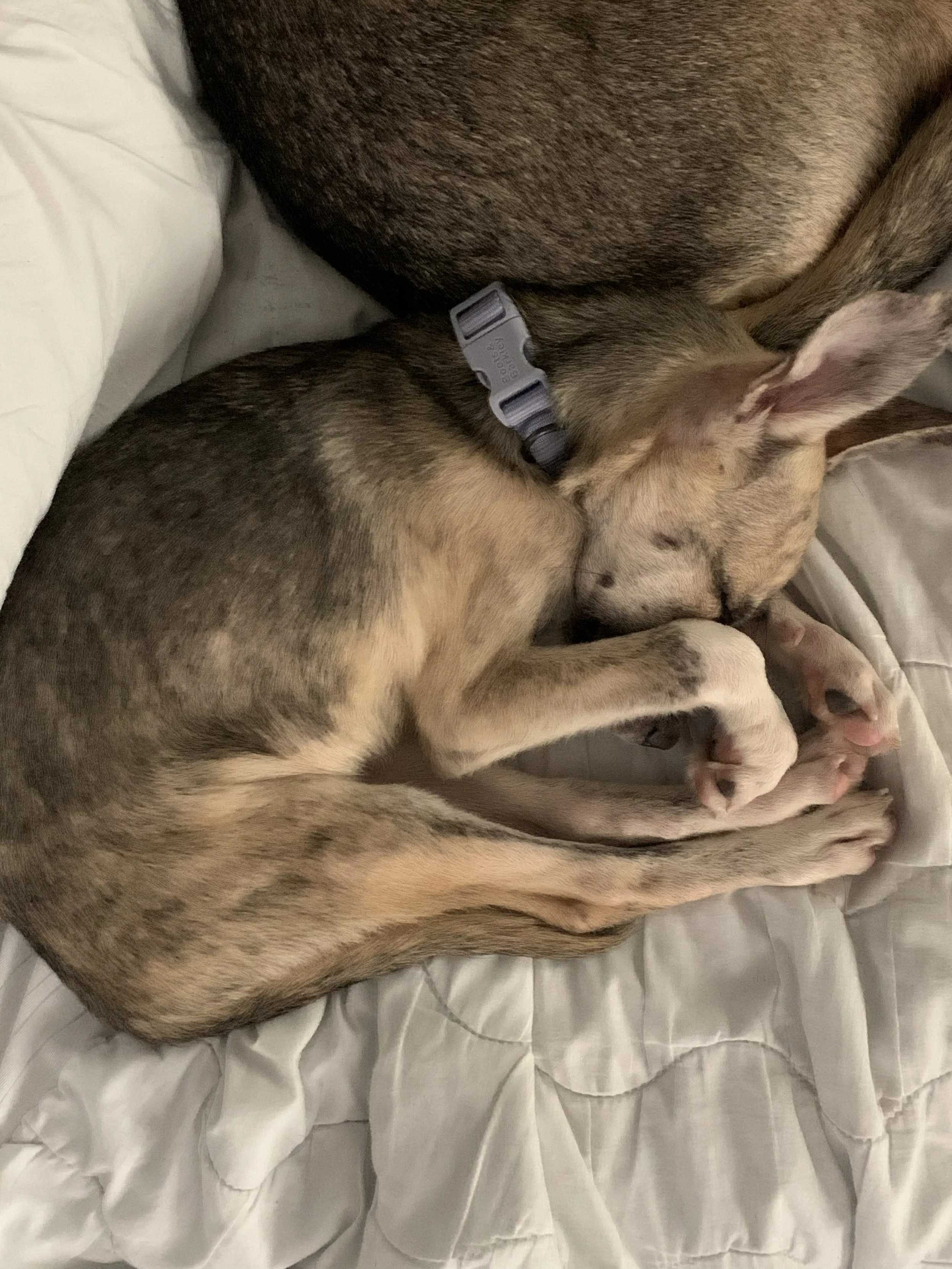
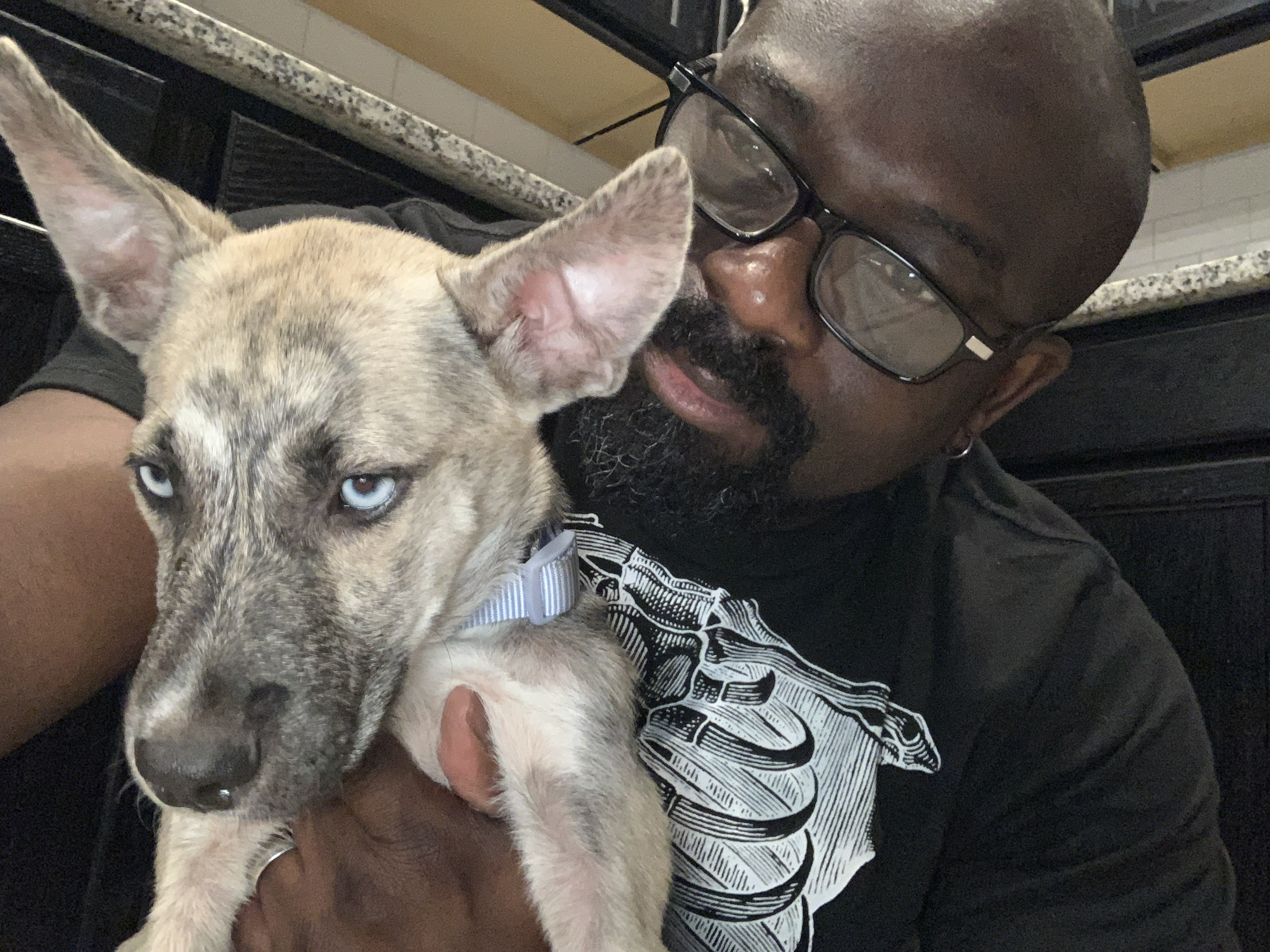
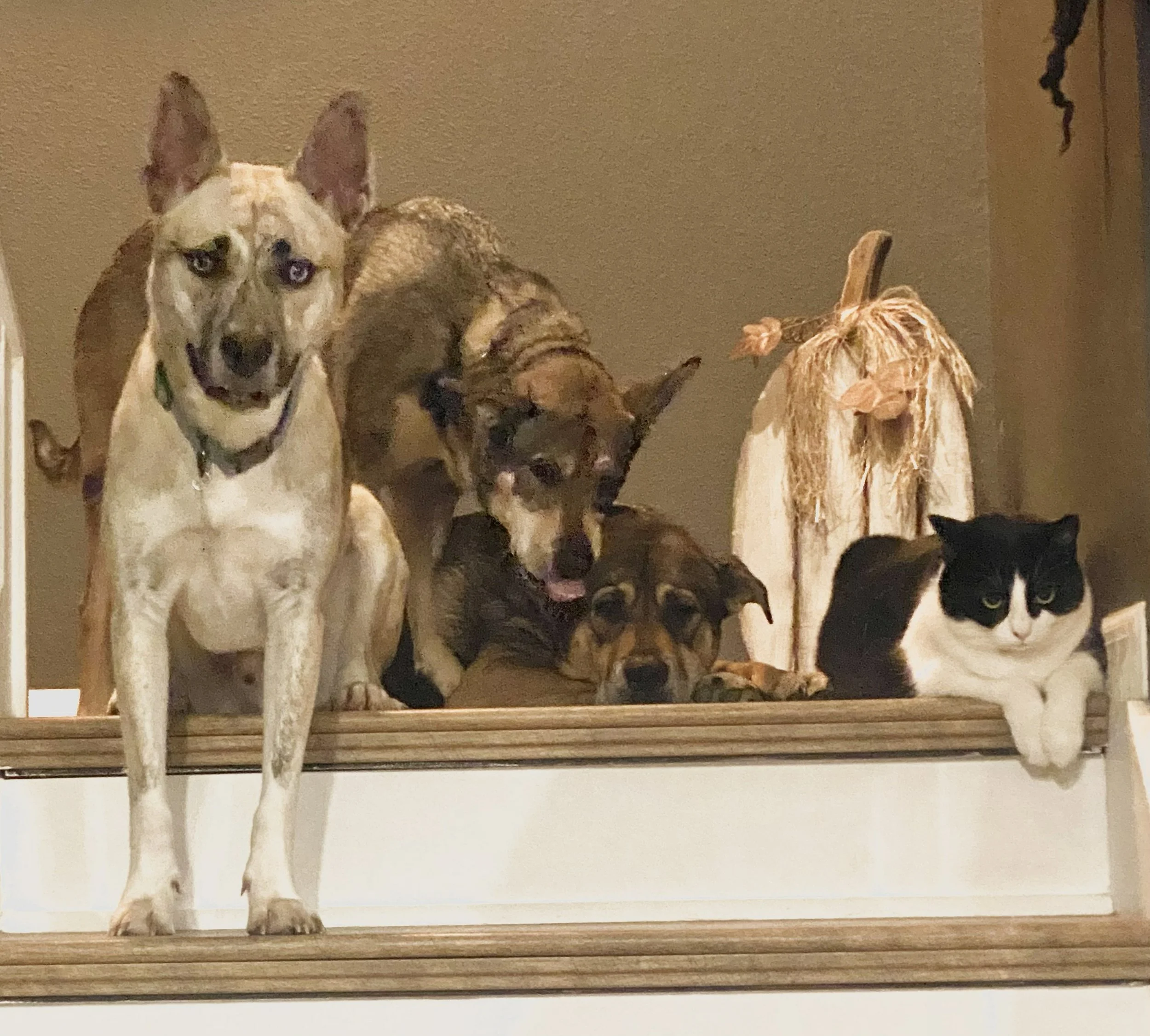
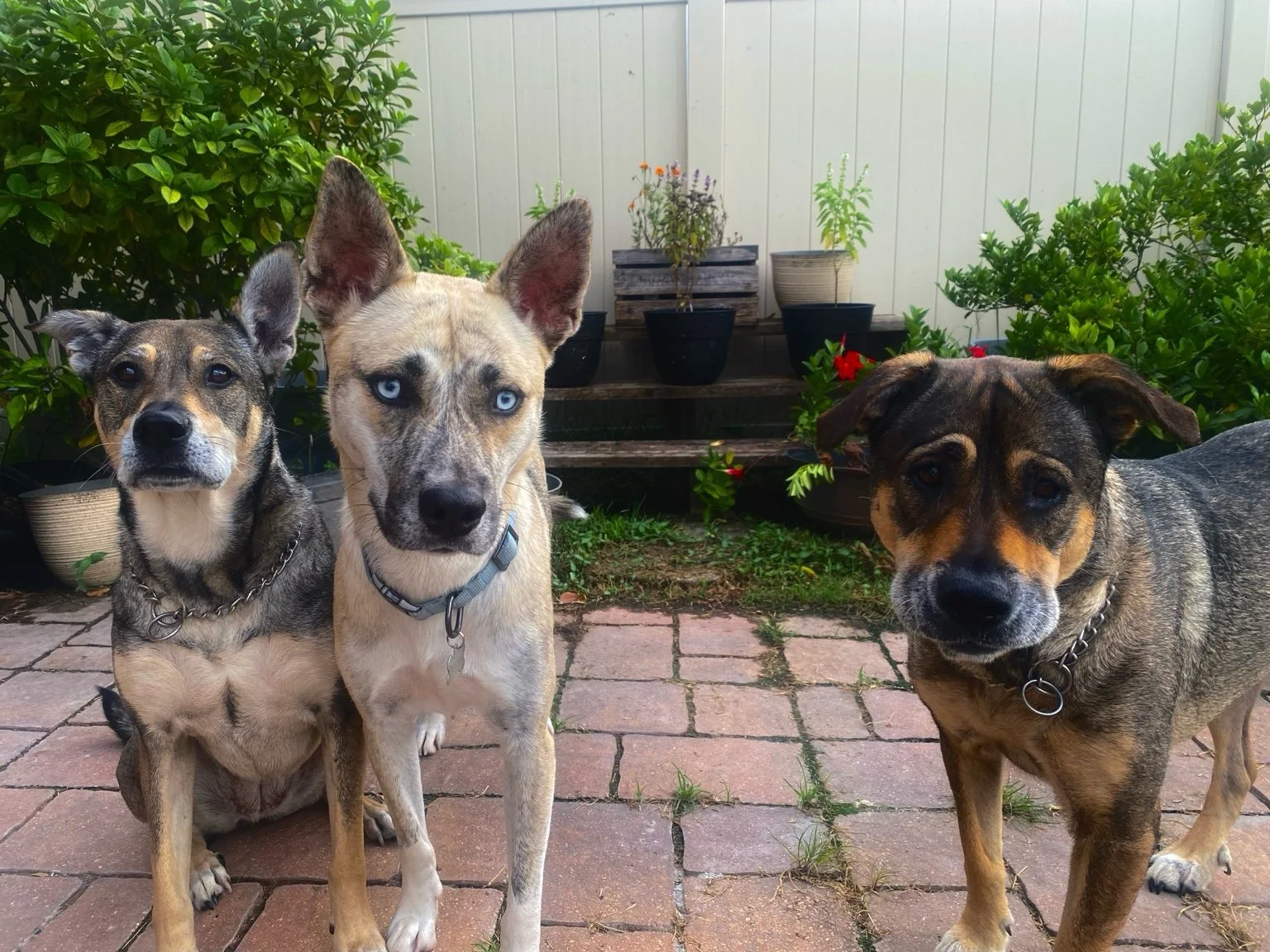
Today, Cassini is healthy, stable, and fully integrated into a safe environment.
His progress reflects what happens when care is consistent, structured, and patient.
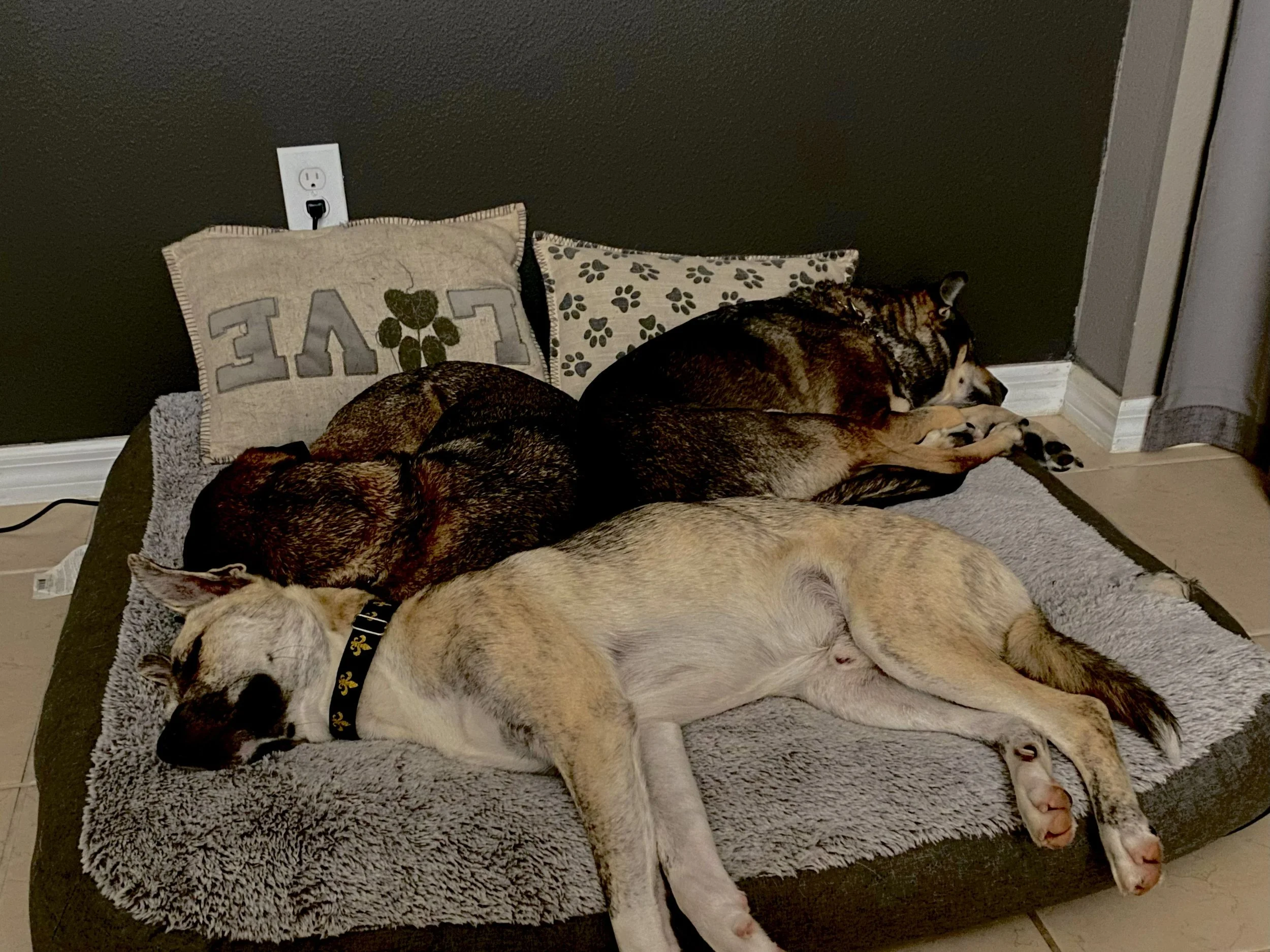
This is the standard of care we are committed to maintaining as we grow.
Sahara
Early Days
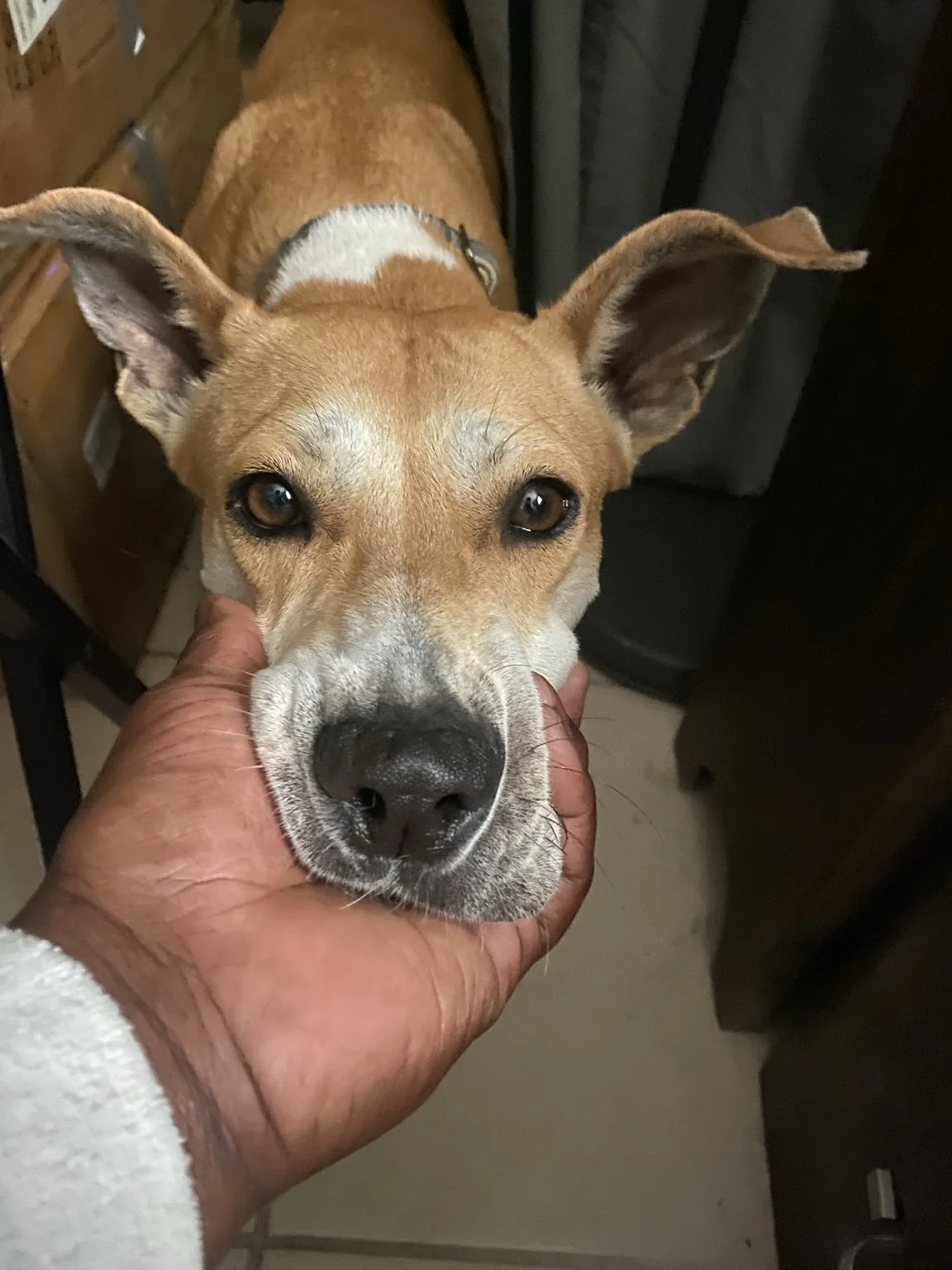
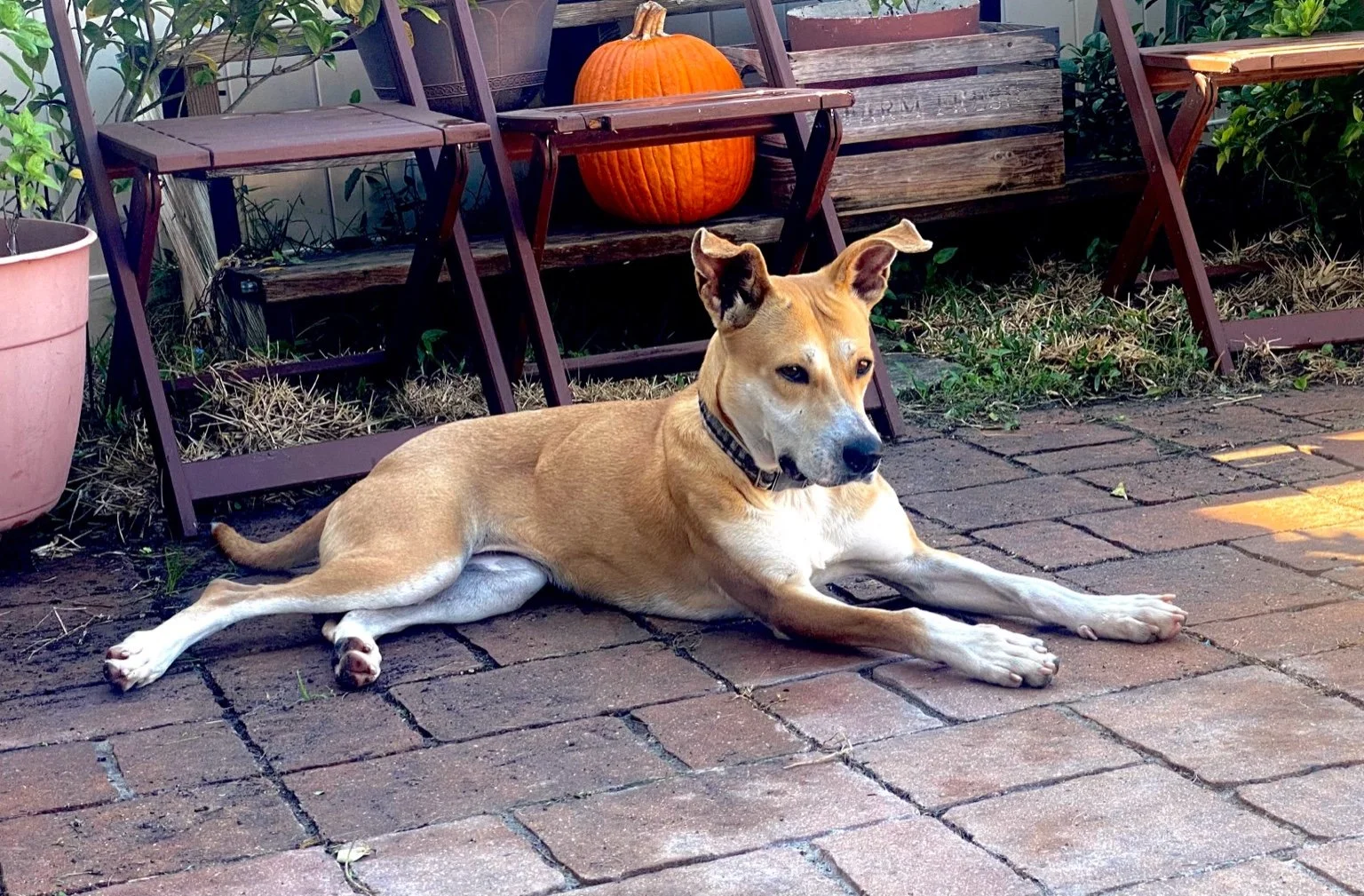
Sahara entered our care on Christmas Eve.
She arrived with heartworm disease and a significant respiratory infection that caused a persistent cough. Her condition required immediate medical attention and careful management. To reduce risk during treatment, her activity had to remain controlled while medications worked through her system.
Prior to intake, Sahara had spent an extended and concerning amount of time in the shelter system, with no clear outcome. Before that, she had been found roaming, either lost or abandoned.
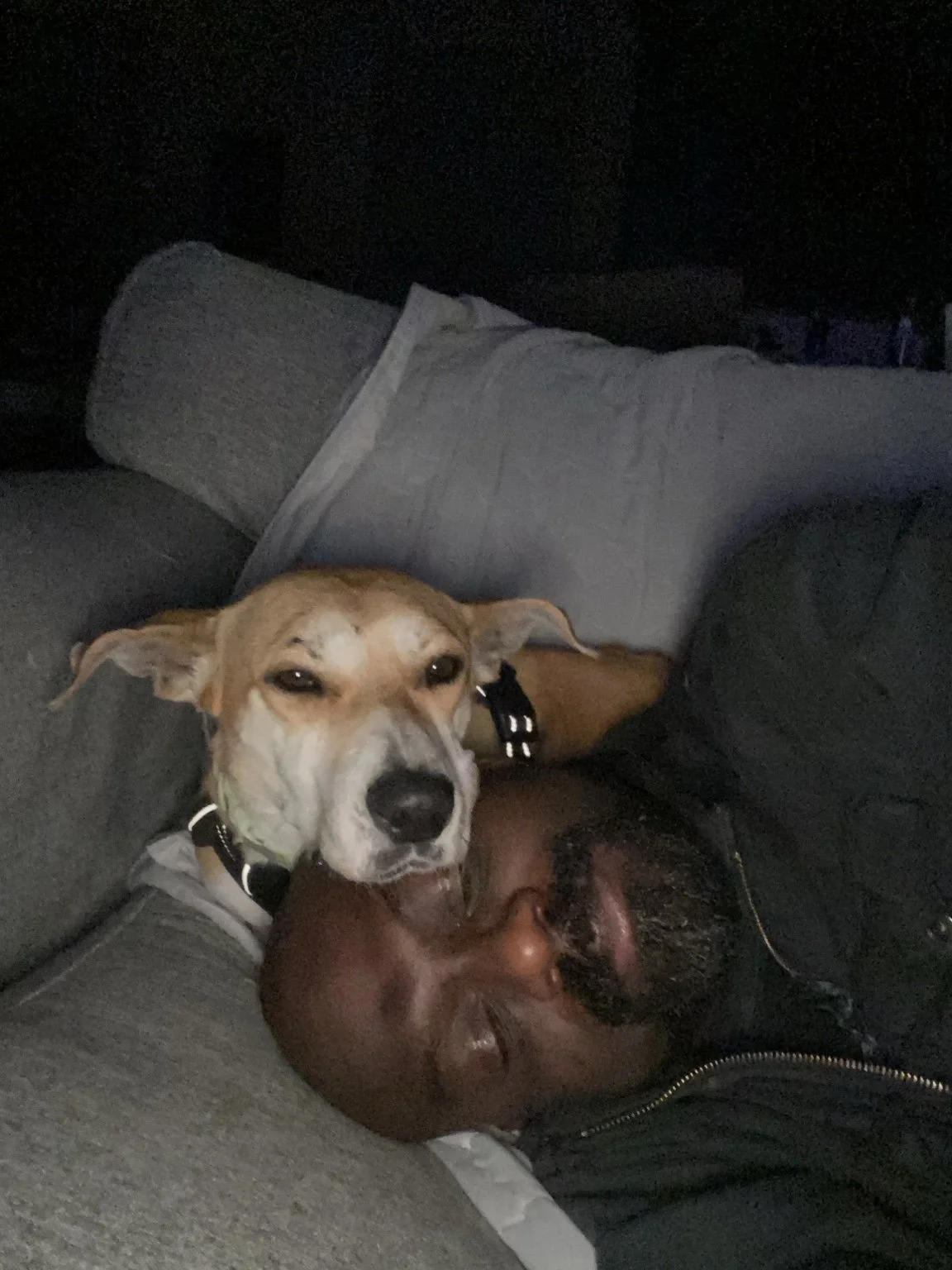
From the beginning, she showed a strong inclination to attach. She quickly bonded within the home, consistently seeking closeness, and formed a particularly strong connection with Kristin, where she established her sense of safety.
The Work
Her recovery required patience, structure, and consistency.
Treatment protocols were followed closely, with careful attention to both her physical condition and her environment. Activity levels were intentionally limited, routines were kept steady, and her responses were observed over time.
This phase wasn’t about rushing progress. It was about creating stability and allowing her system to recover without added stress.
As her health improved, her behavior began to shift.
Today
Sahara has since been cleared of both heartworms and her respiratory infection.
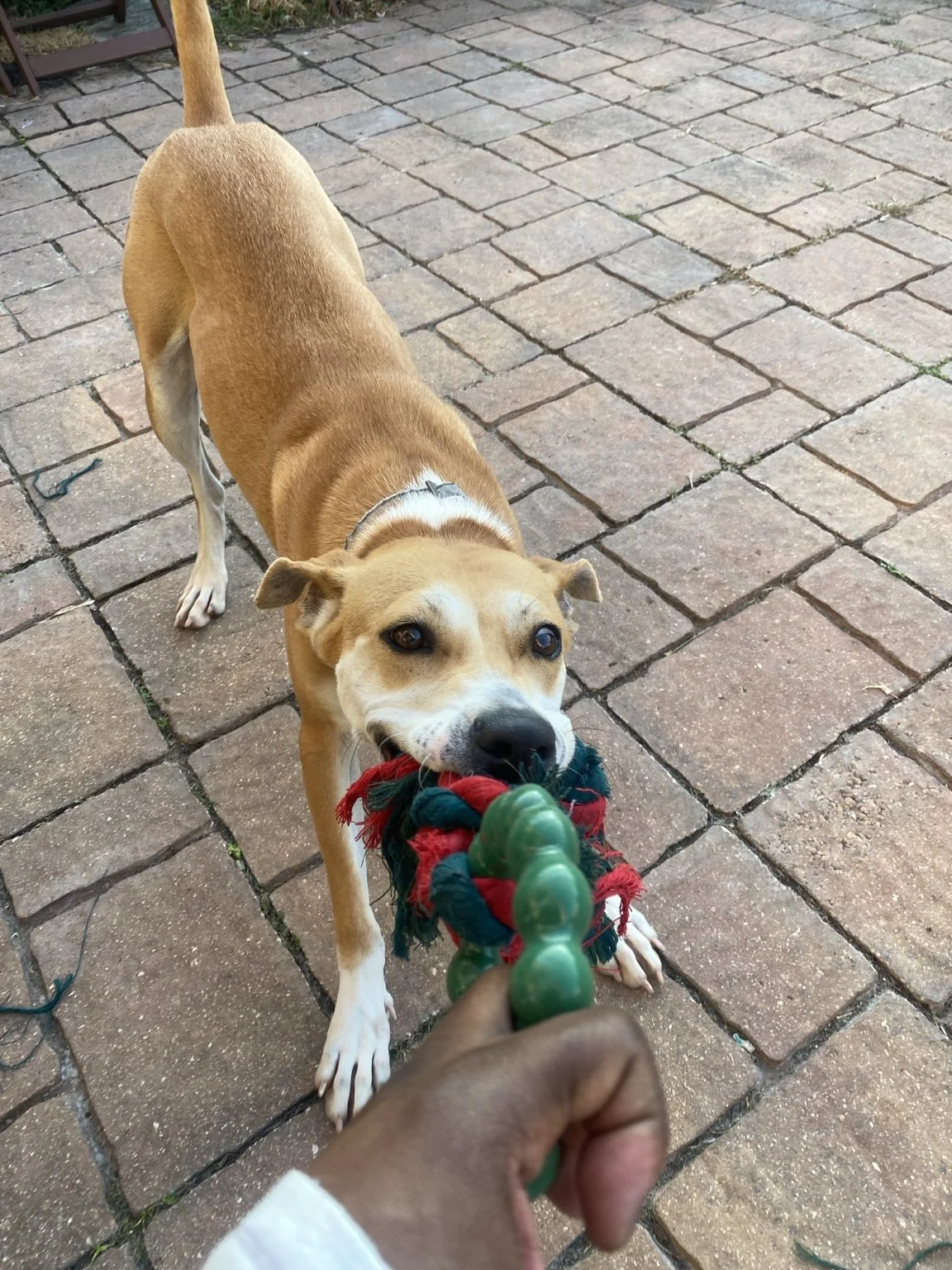
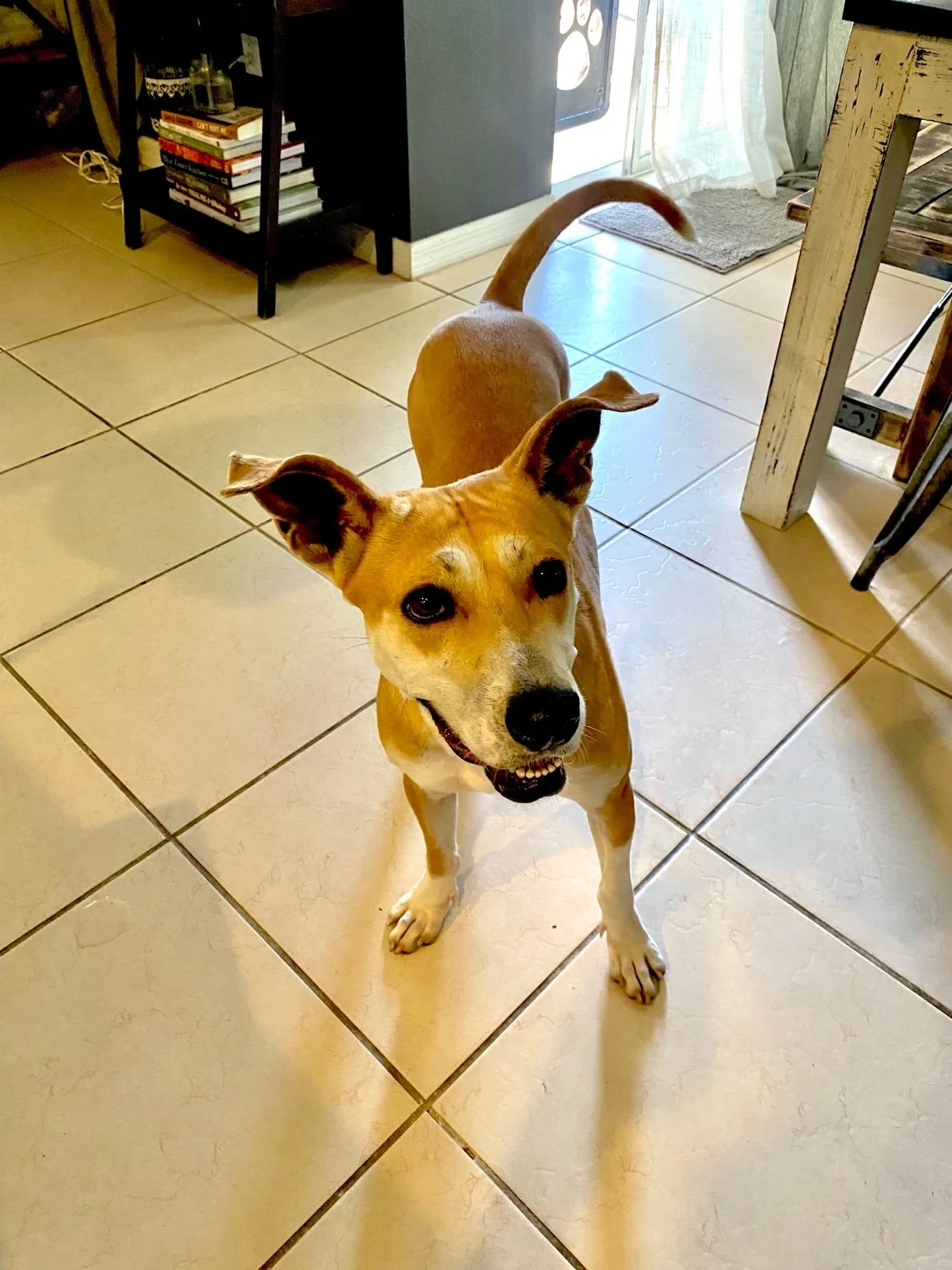
She is active, engaged, and fully integrated into daily life. She plays regularly, especially with Cassini, and moves confidently throughout the home and yard.
We’ve found her to be highly intelligent and quick to learn, responding well to structure and consistently seeking new challenges. She engages with training, adapts quickly, and benefits from continued mental stimulation.
What once presented as a high-risk, uncertain case has revealed itself as something else entirely:
A dog with strong capacity, resilience, and the ability to thrive when given the right environment.
Beowulf (Blue)
Early Days
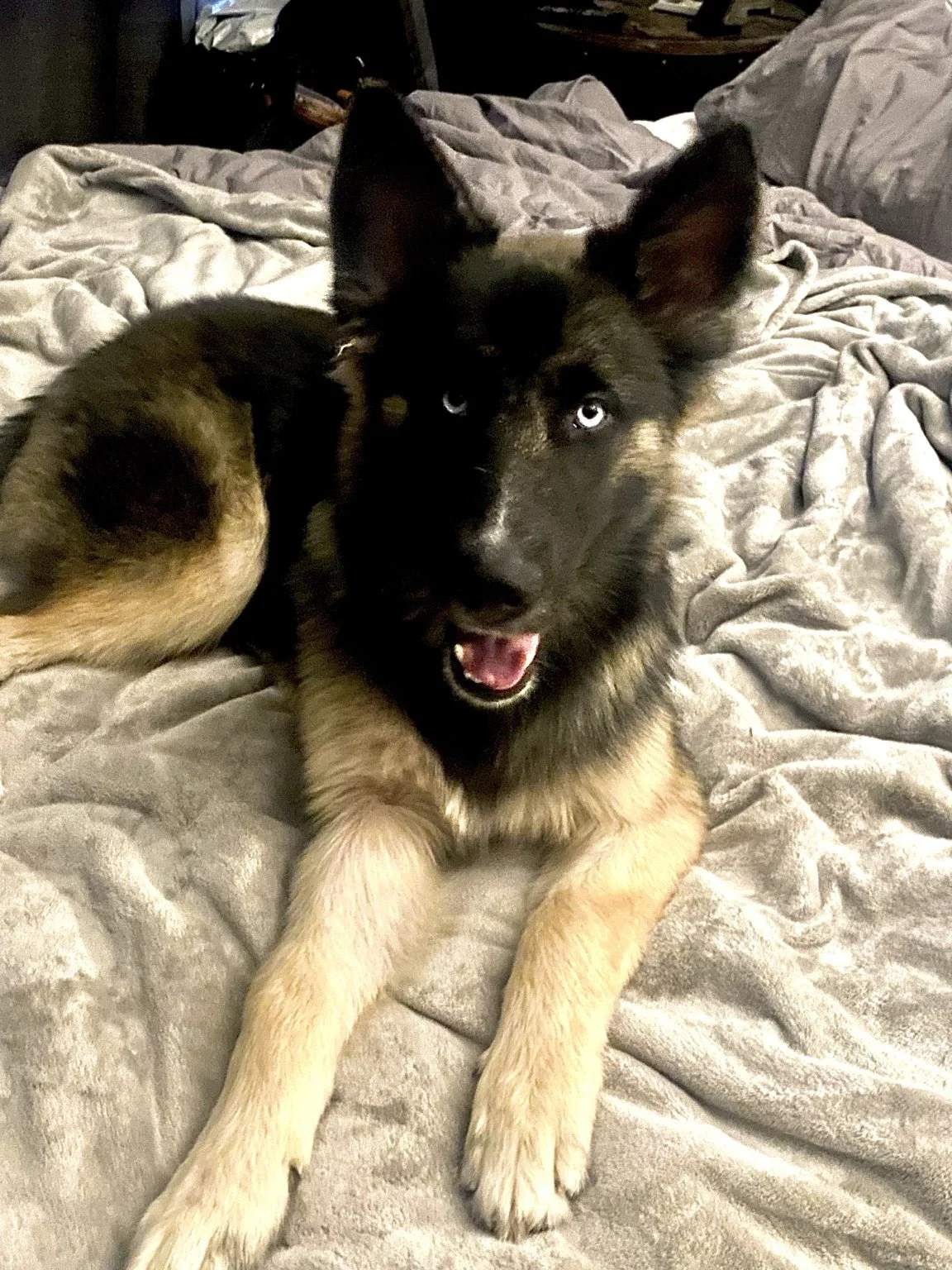
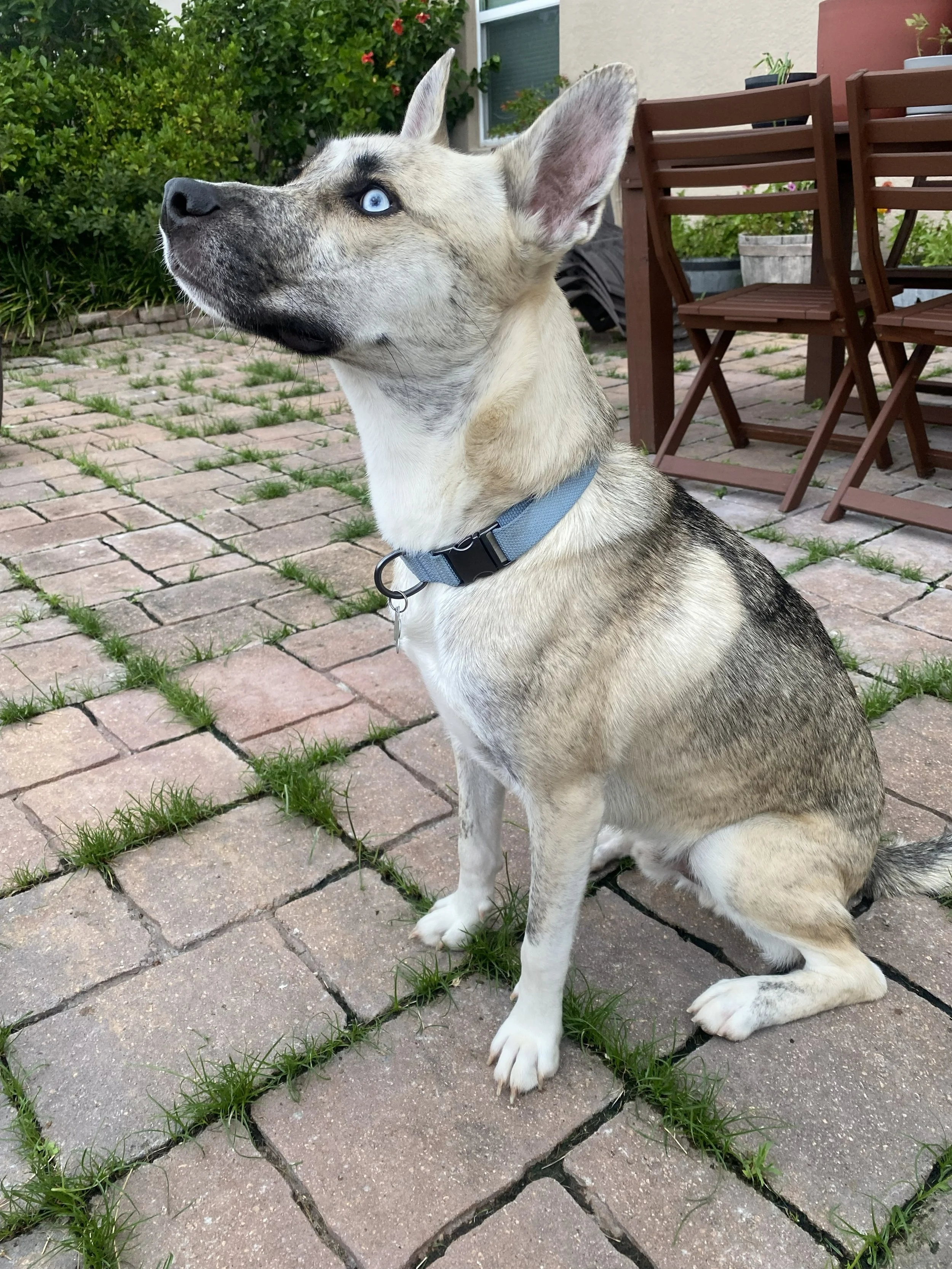
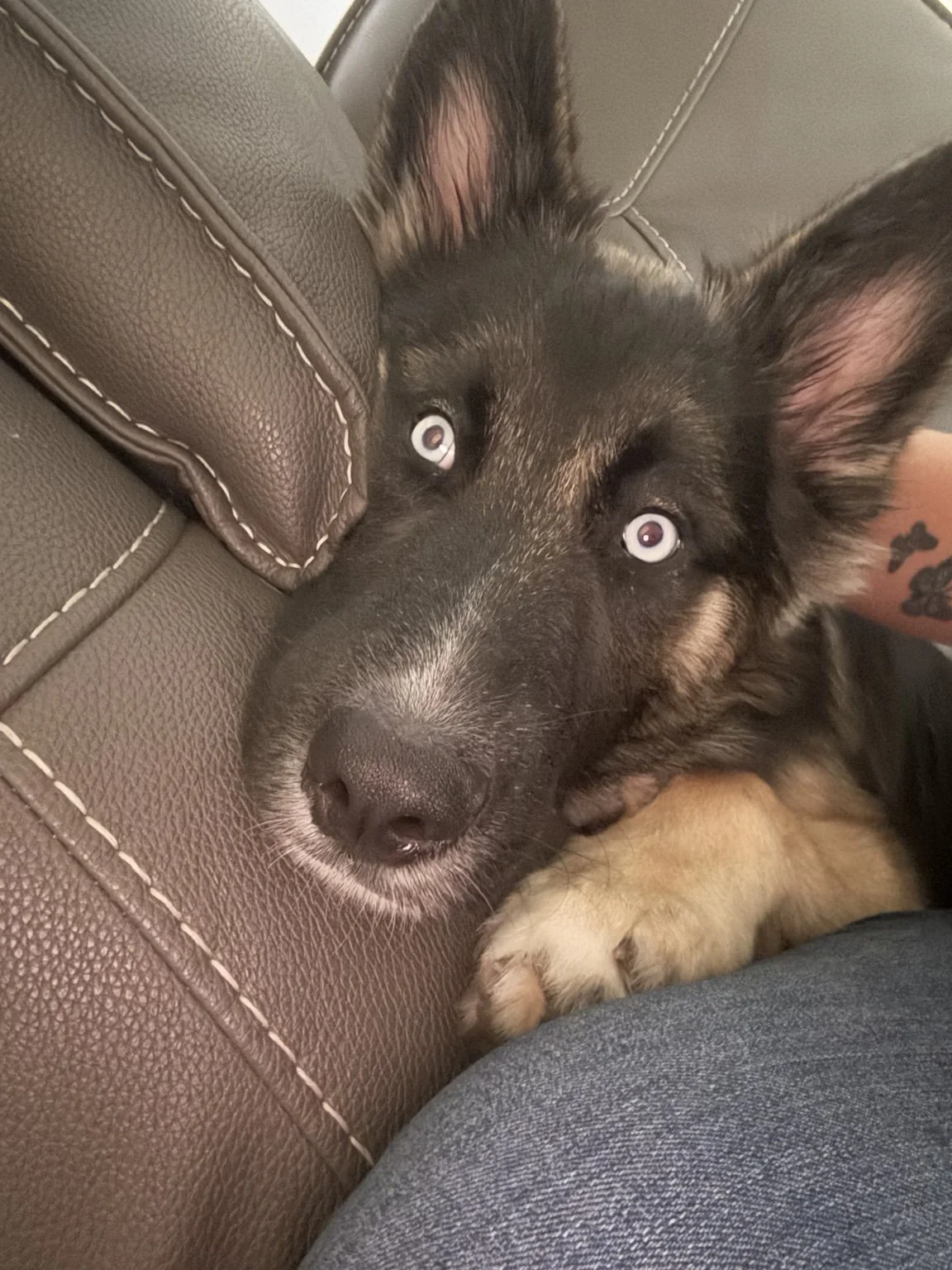
Beowulf came to the attention of Wild Heart Haven as a young dog found wandering the streets alone, with no collar, no microchip, and no known family searching for him. Estimated to be only 6–8 months old, this striking blue-eyed Shepherd/Husky mix was already a big dog—but beneath his intimidating size was an incredibly social, affectionate young pup who simply wanted to belong.
Wild Heart Haven stepped in to give him safety, veterinary care, structure, and the time needed to determine what came next. We called him Beowulf.
What began as the story of a stray dog would eventually become one of Wild Heart Haven's first journeys from rescue to recovery—and finally, home.
The Work
Once Beowulf was safe, the work shifted toward understanding exactly what kind of home would allow him to thrive. While we began searching for potential families, we spent time learning who he was beyond the circumstances that brought him to us.
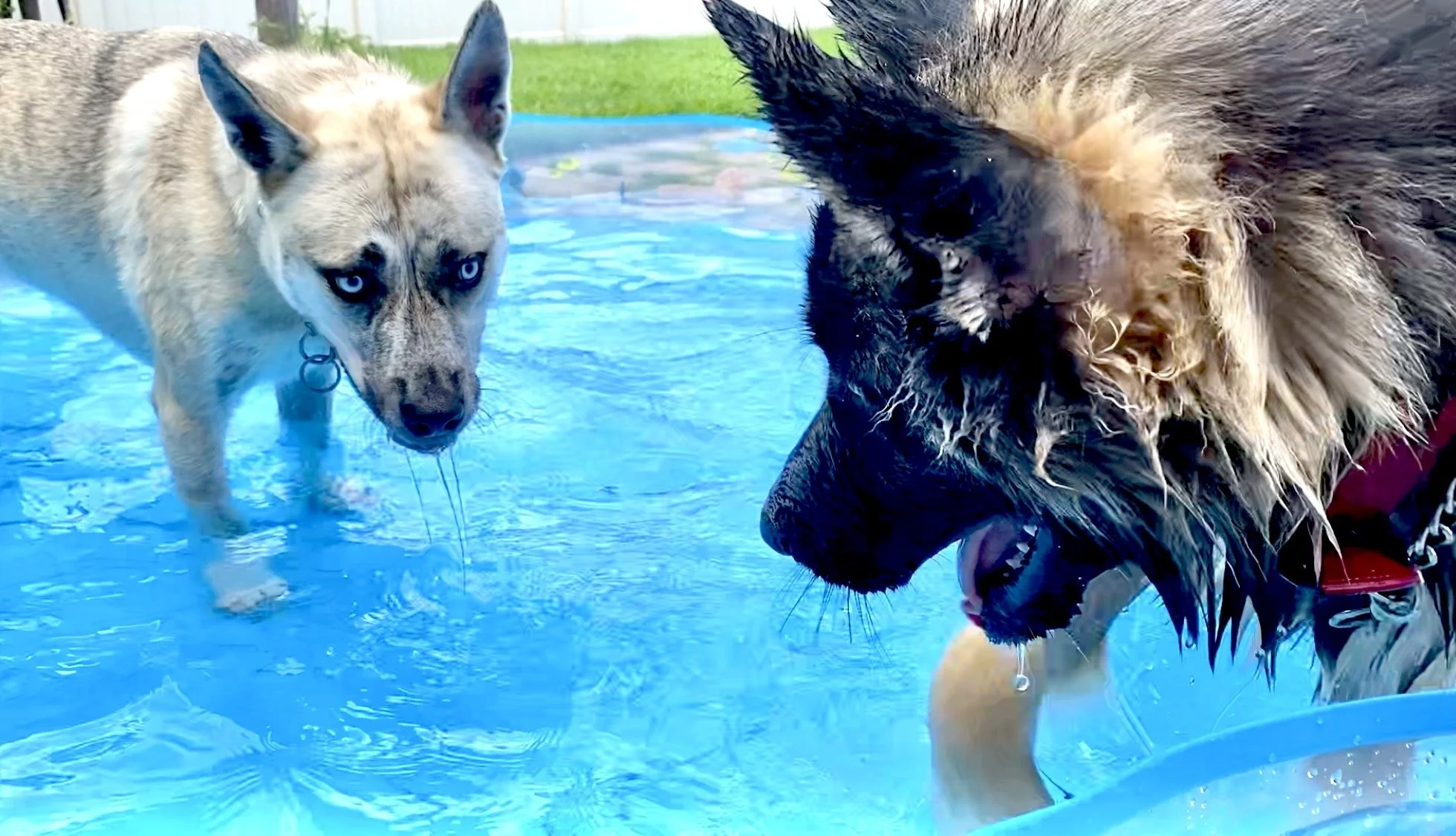
Beowulf was introduced to other dogs, exposed to different people and social environments, and observed closely as he navigated new experiences. His playful, easygoing nature quickly emerged. He proved highly social with people and other dogs, and careful introductions even showed us that he could peacefully coexist with cats.
Along the way, Beowulf received veterinary care, structure, basic training, and plenty of opportunities to simply be a young dog again.
Rather than rush into a permanent placement, we ultimately placed Beowulf with a foster family where he could experience everyday home life while we continued evaluating what would be best for his future.
Today
Sometimes the right home is already part of the journey.
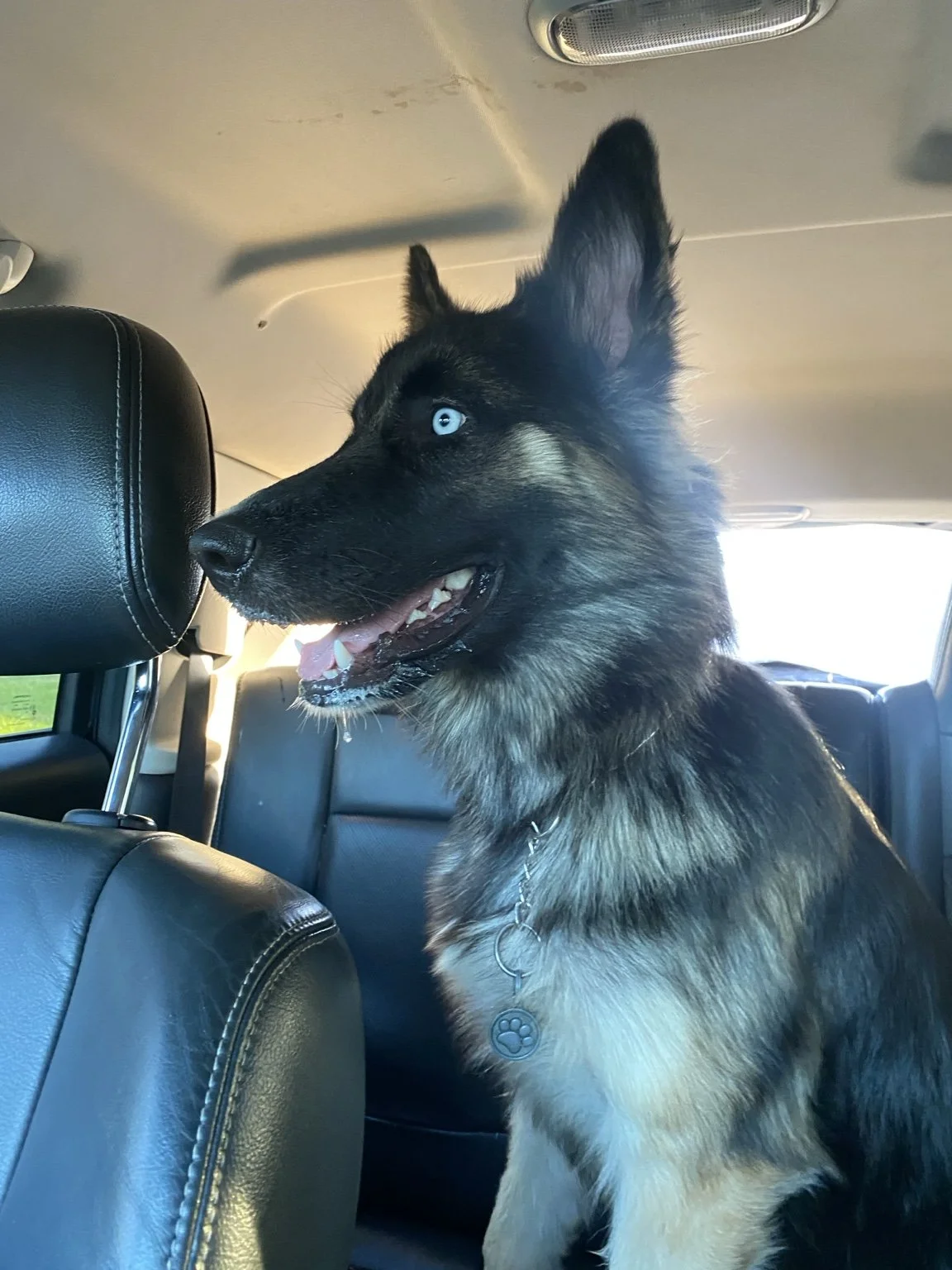
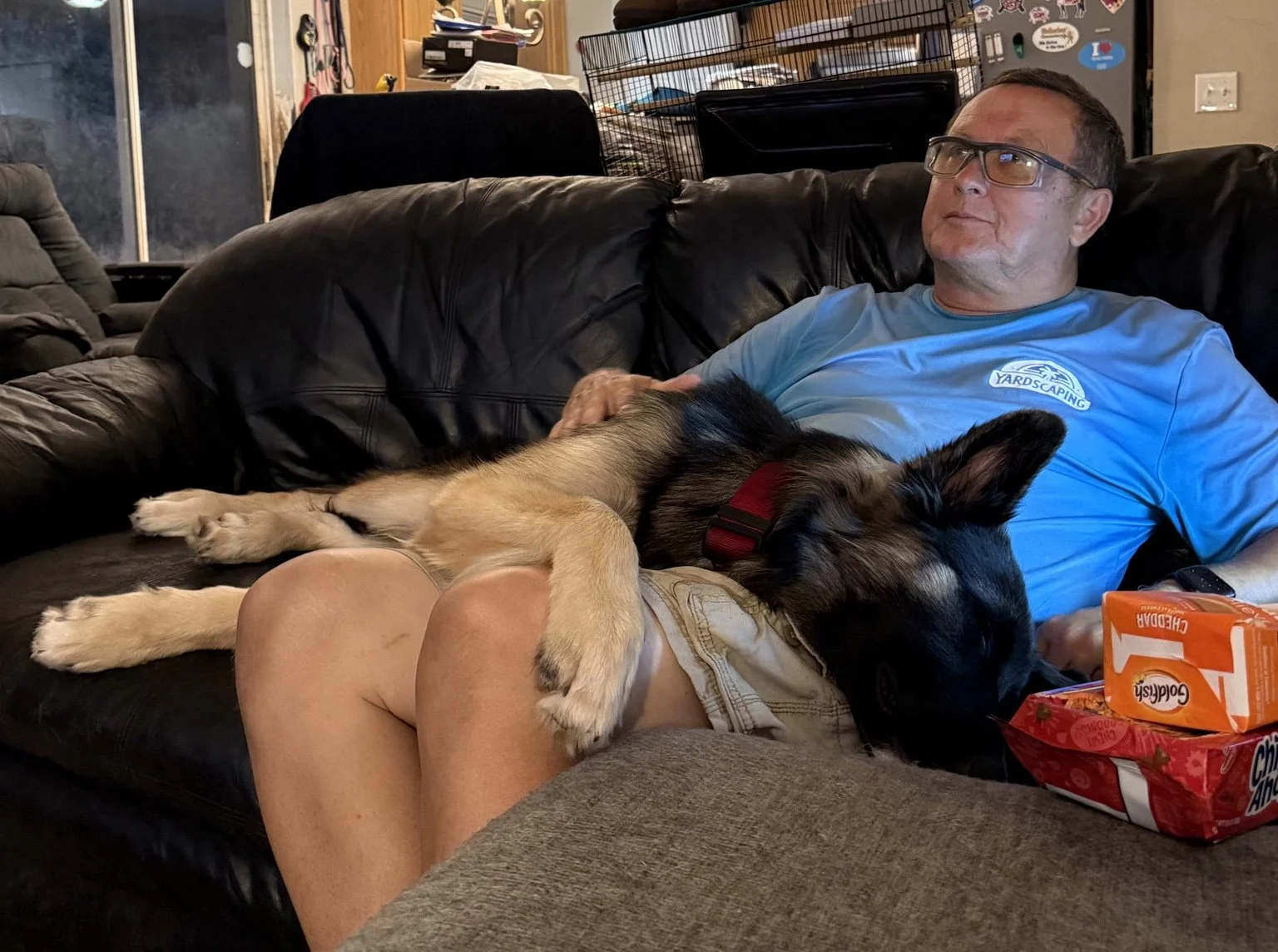
Beowulf’s foster placement gave him the opportunity to settle into family life, and gave his foster family the chance to discover just how completely he belonged with them. What began as a temporary place to land became something permanent.
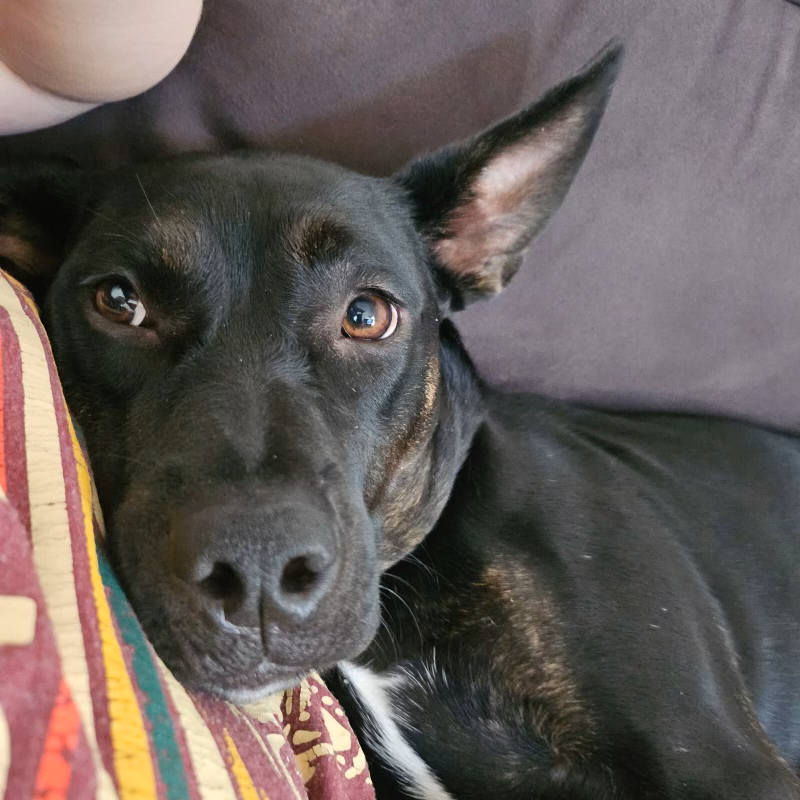
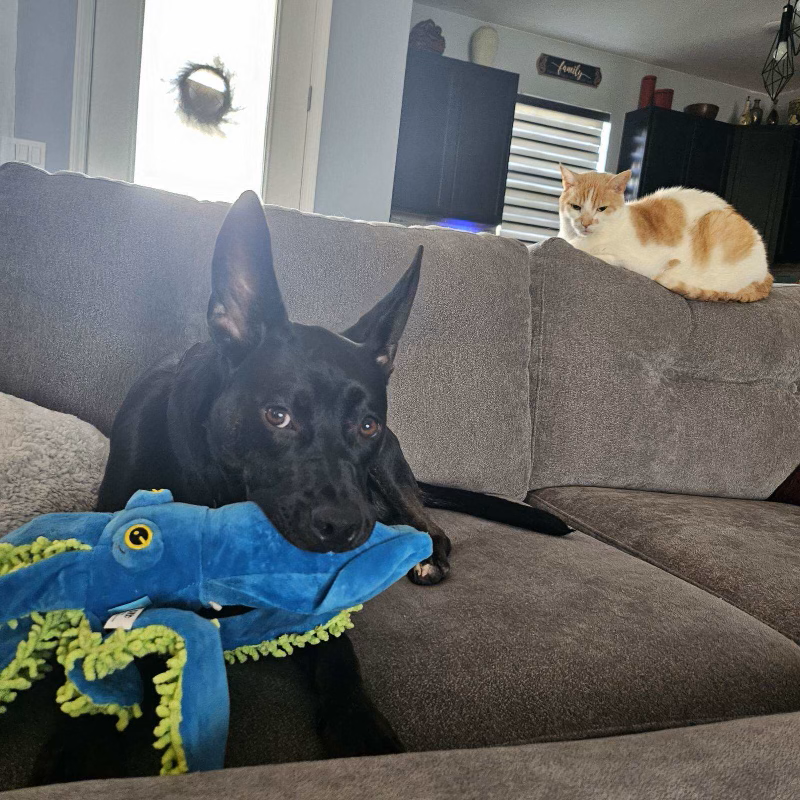
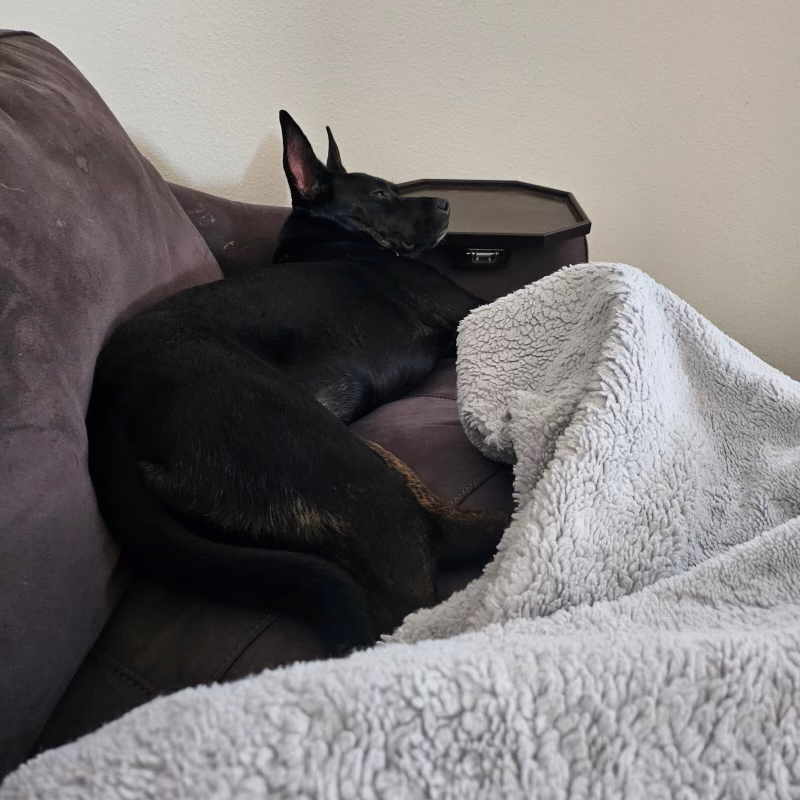
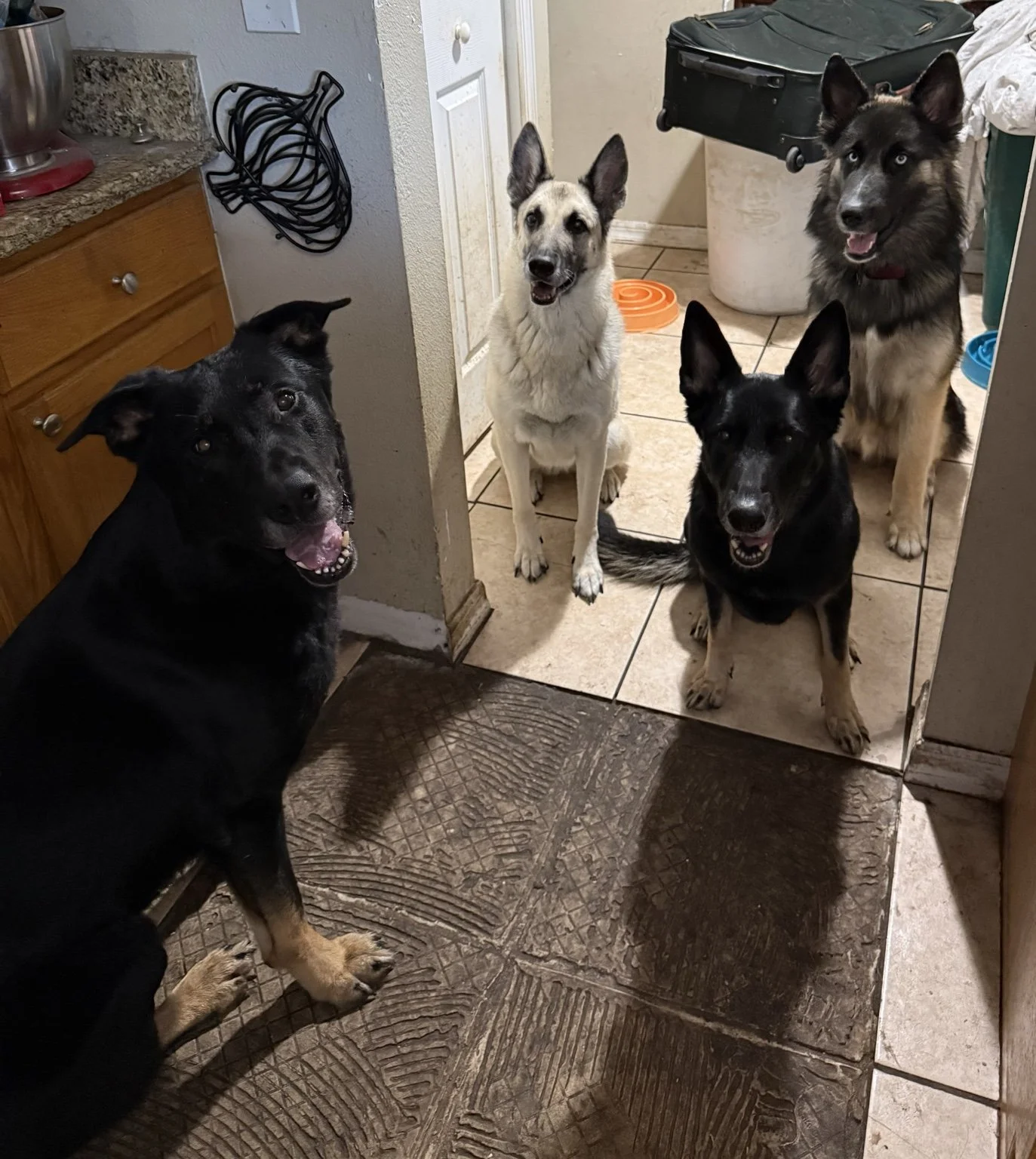
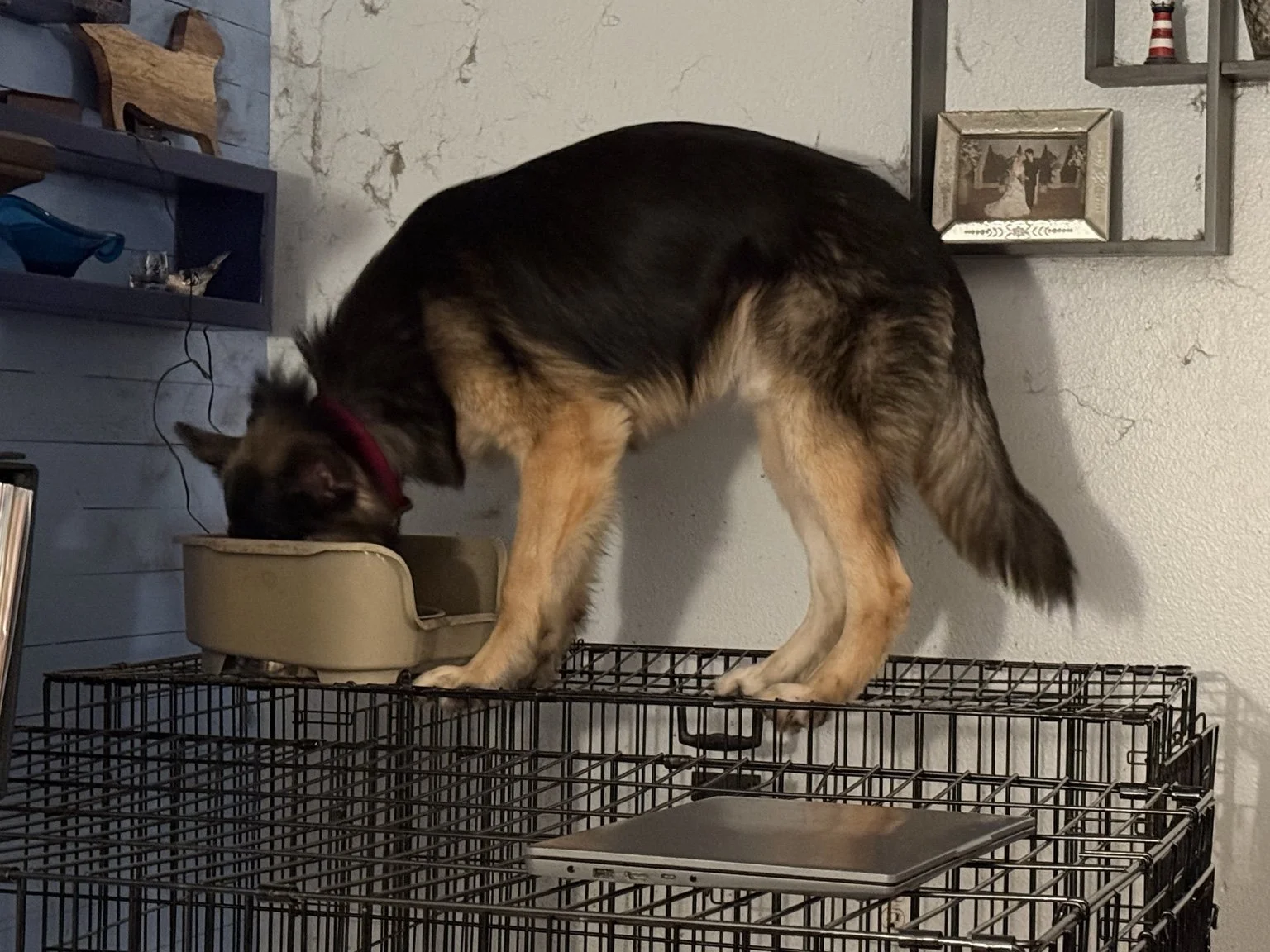
Today, Beowulf is Blue. He has a family of his own, a home where he can finally exhale, and plenty of couches and laps he has apparently decided belong to him.
From wandering the streets without a collar or microchip to sleeping comfortably beside the people who chose him, Blue’s story is exactly what Rescue to Recovery is all about.
He didn’t just find a home.
He found his.
Luna
Early Days
Luna’s story with Wild Heart began after she and her brother, Milo, were reportedly found abandoned in crates inside a garage in St. Cloud.
We never met the people who left them behind, and Luna could not tell us what she had experienced before help arrived. What we did know was that this young dog had entered the world without the safety, stability, or sense of belonging she deserved.
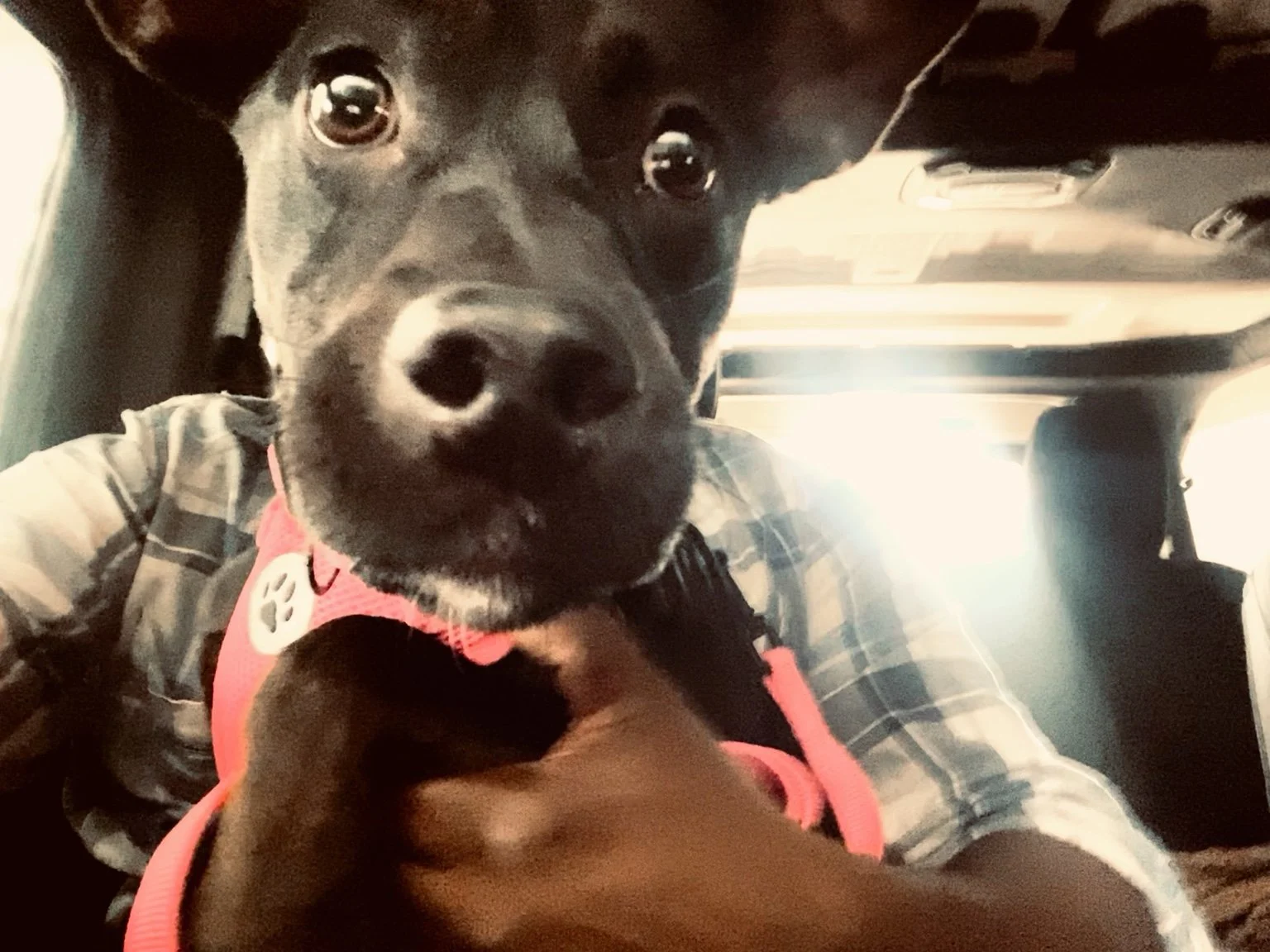
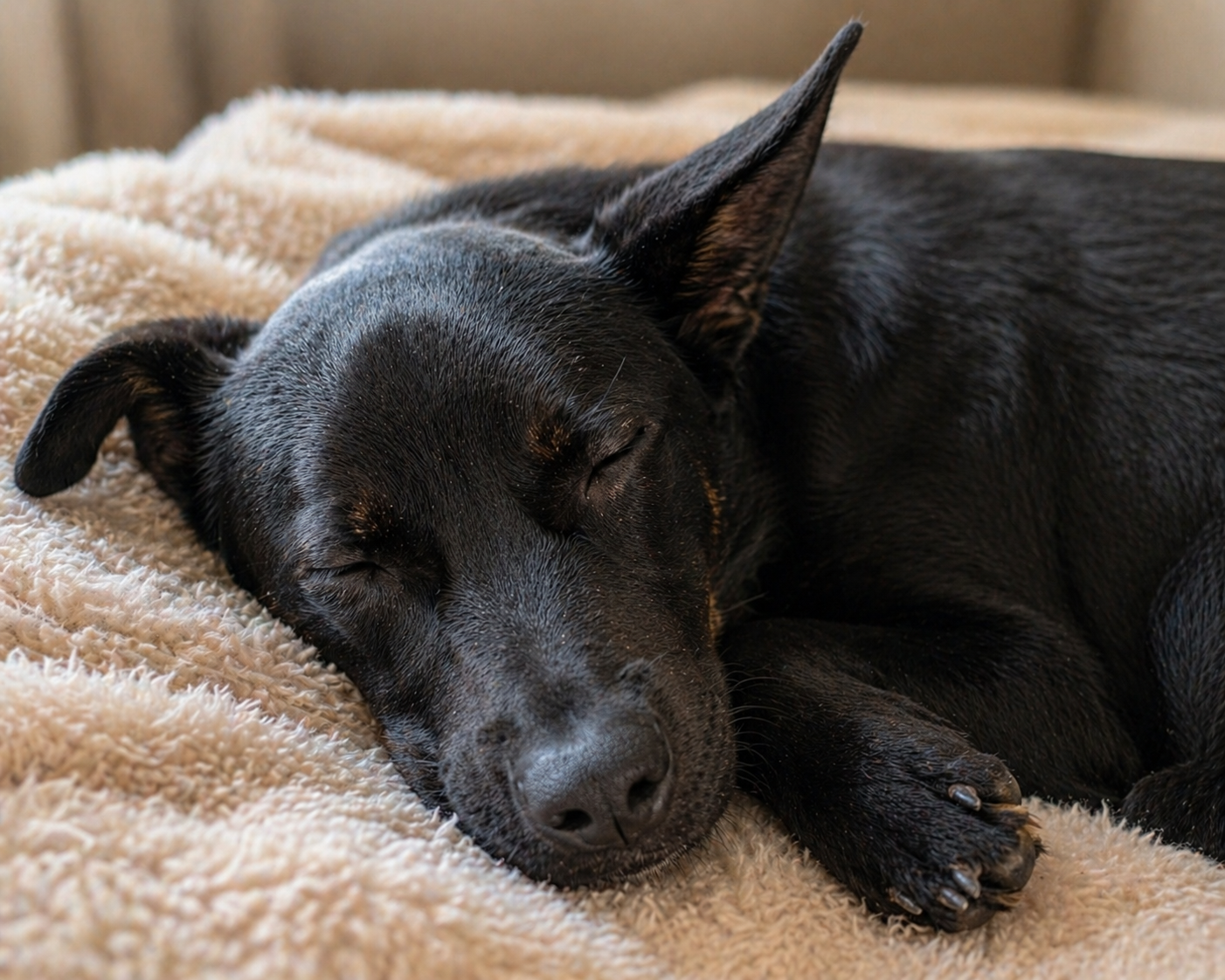
Luna was gentle and observant, but also understandably cautious. She needed time to study new people and unfamiliar surroundings before deciding that she was safe. Beneath that initial uncertainty was an affectionate young dog waiting for someone patient enough to earn her trust.
On April 26, 2026, Luna entered the care of Wild Heart Haven—and the uncertain beginning of her life began giving way to something new.
The Work
Luna’s journey was never only about finding someone willing to adopt her. It was about preparing her, medically, emotionally, and socially, for a home where she could truly succeed.
Through our Everest Foster Program, Luna lived in two foster homes while we learned more about her personality, helped her experience family life, and gave her opportunities to build confidence in safe environments.
During her time with Wild Heart Haven, Luna received a medical evaluation, was microchipped, and spayed. We also continued evaluating how she responded to people, children, dogs, cats, household routines, and new experiences.
Luna showed us that although she might be timid when something or someone was unfamiliar, patience allowed another side of her to emerge. Once she felt secure, she became more comfortable, connected, and affectionate.
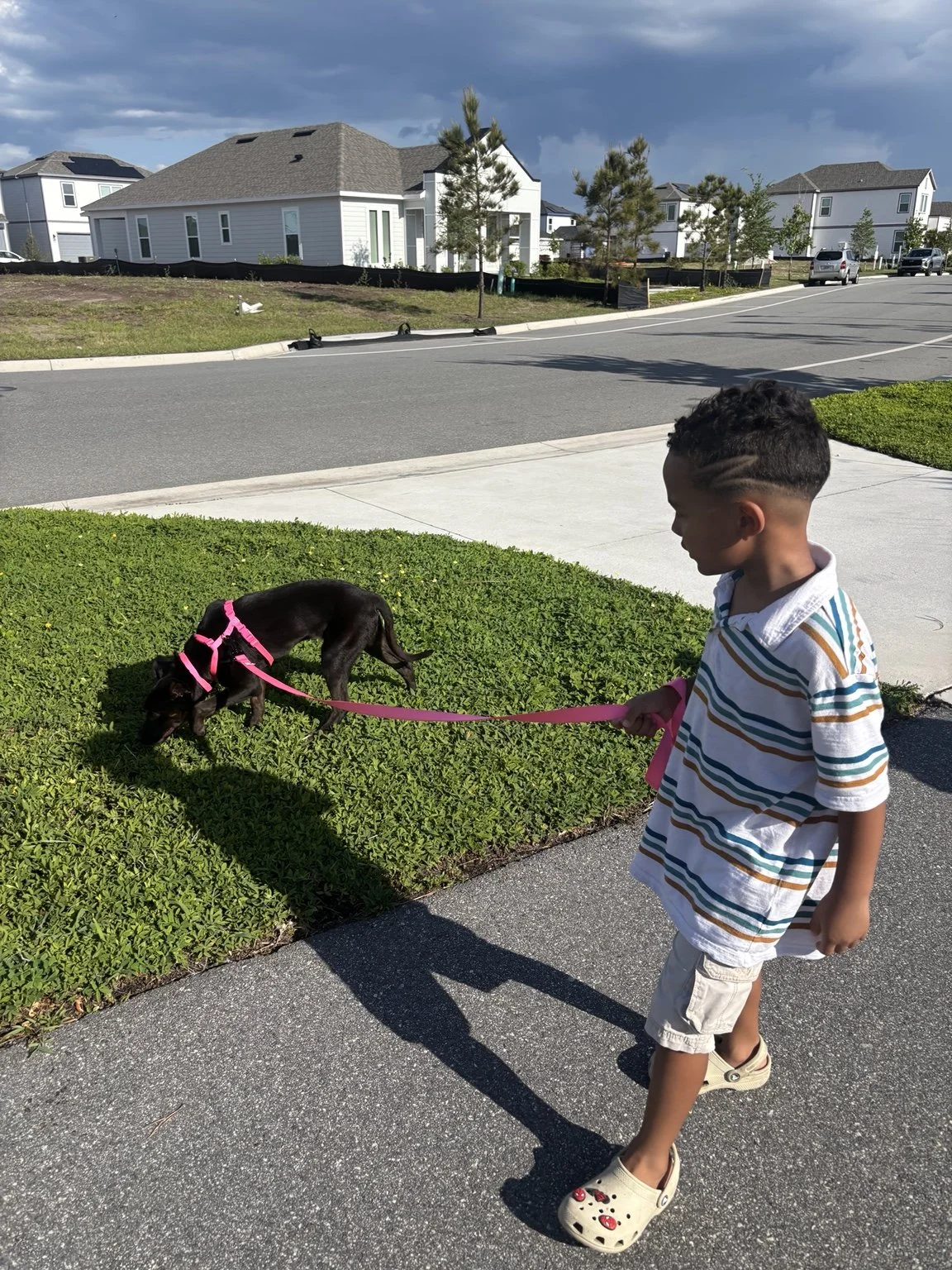
When Jennifer expressed interest in Luna, we intentionally allowed the process to unfold at Luna’s pace. Conversations, preparation, and an overnight trial placement gave everyone an opportunity to make sure this was more than an available home, it was the right home.
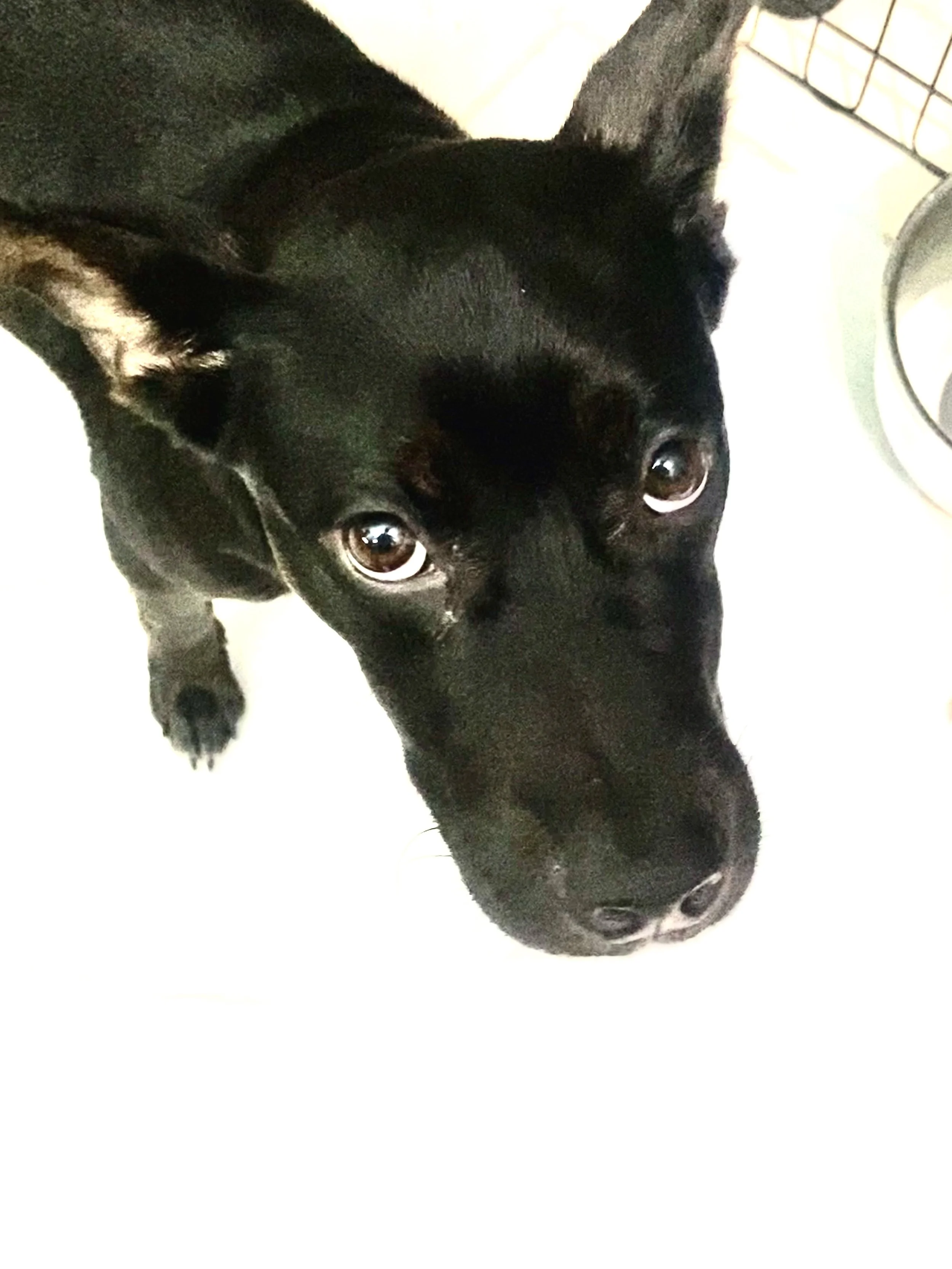
Today
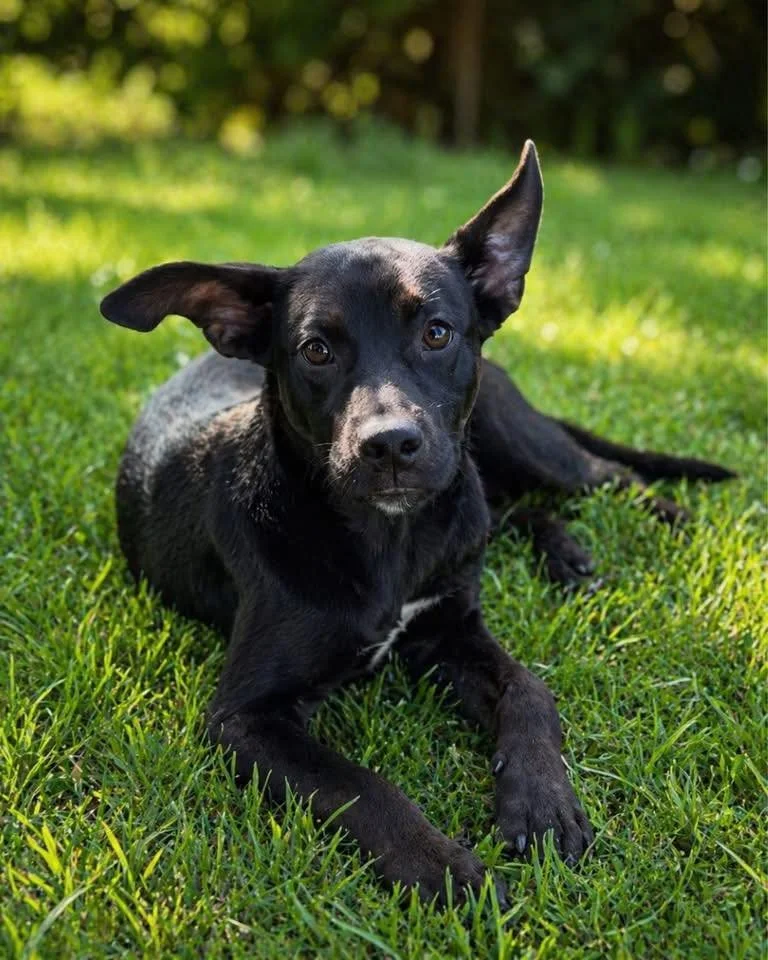
Today, Luna is home.
Jennifer opened her home to Luna and gave her the space, patience, and reassurance she needed to begin trusting that this new life was hers to keep. After a successful trial placement, Luna’s adoption was finalized, and another dog who began her story abandoned became a deeply wanted member of a family.
Her journey is a reflection of what rescue can become when we look beyond the moment a dog is found. It takes foster homes, veterinary care, careful observation, thoughtful matchmaking, and people willing to let trust grow instead of demanding it immediately.
Luna no longer has to wonder where she belongs.
She found her person, her family, and the safe place that had been waiting for her.
Welcome home, Luna.